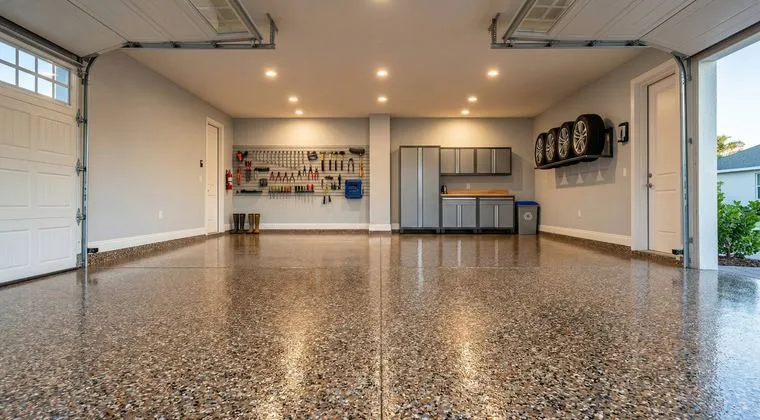
Neither one wins, because they are not doing the same job. Epoxy is a base coat. Polyaspartic is a topcoat. On a St. Petersburg garage the floor that lasts is normally both — epoxy keyed into a ground slab, flake broadcast into it, polyaspartic sealing the top. Anyone selling one of the two as a complete answer is describing half a floor.
The clearest way to see the difference is not a spec sheet. It is an install day. A crew opens a garage in Historic Roser Park at half past six in the morning. The slab was ground the afternoon before, the cracks are filled, the product is in the truck — and the clock is already against them, because the air outside is holding roughly 88% relative humidity and the data sheet for the base coat says do not apply above about 85%.
By mid-morning the number has slipped under the ceiling. By late afternoon it is near 57%. Somewhere inside that window the base has to go down, the flake has to be broadcast, and the top has to close the floor before the sea breeze coming in off the Gulf meets the one coming across from the Atlantic — a line that, on some days, sets up directly over Pinellas and ends the afternoon an hour after it starts.
Epoxy and polyaspartic behave very differently against that clock. That, and not a brochure, is the real comparison. Below: what each chemistry actually is, where each genuinely wins, seven rows of head-to-head, and the build we spec on most St. Petersburg garage projects. If you would rather have a number than a lecture, call (727) 292-1860.
Two Layers, Not Two Products
Strip out the marketing and the division of labor is simple.
- Epoxy is the base. Resin meets hardener, a reaction runs, and a hard film keys itself into the profile a diamond grinder opened up. It is the cheap thickness at the bottom of the stack — the body a flake broadcast needs to sit in rather than on. Slow to cure, and not naturally UV-stable.
- Polyaspartic is the wear layer. An aliphatic polyurea developed long after epoxy, engineered to cure fast and hold its color in daylight. Thin per coat, dearer per coat, and unforgiving of a slow installer, because it begins setting while you are still spreading it.
Reverse the order and you get a floor that is soft on top or poorly bonded underneath. Keep the order and each layer covers the other's weakness. On a St. Petersburg garage that means epoxy under polyaspartic almost every time, and the rest of this page is the reasoning behind that sentence.
Epoxy: the Layer That Grips
Epoxy is a two-part thermoset. The bond it forms with your slab is mechanical before it is chemical, which is why how hard the concrete was ground matters more than whose name is on the pail.
What epoxy is best at
- Bond and build. Over a properly profiled slab it holds hard and lays down real thickness. Chips have to be suspended in something; this is the something.
- Cost per square foot. It is the cheaper of the two by a clear margin, which is precisely why it belongs at the bottom, where thickness is wanted and sunlight never reaches.
- Track record. Warehouse aisles, plant floors, clinic corridors. A well-installed epoxy base has been proving itself on commercial floors for decades.
Where epoxy runs into trouble here
Two weaknesses, both sharpened by this particular sky. First it is slow: a full epoxy build can want several days before a car returns to it, which is several more chances for the weather to interrupt. Second, standard epoxy is not UV-stable. Sustained daylight ambers it and eventually chalks the surface, and in a city that once ran 768 consecutive sunny days — 9 February 1967 to 17 March 1969, still the world record — that is not a theoretical exposure. Any strip of floor a garage door leaves in the sun will show it first.
Polyaspartic: the Layer That Takes the Sun
Polyaspartic is an aliphatic polyurea. The chemistry exists more or less to solve the two problems above: it sets quickly and it does not yellow. It goes down thin and hard, as the surface everything else has to get through first.
What polyaspartic is best at
- Holding color in daylight. Aliphatic means UV-stable. An open bay door on the west side of a house is a punishing place for a coating, and this is the layer that survives it.
- Speed. Foot traffic in hours, vehicles in roughly a day. On a peninsula where an afternoon can be cancelled by a sea-breeze storm, closing the floor inside one working window is not a convenience. It is risk management.
- Abrasion. It is the layer that meets sand, grit, hot tires and cleaning chemicals, and it takes being rinsed and swept far more often than most floors ever are.
- Behavior in warm, damp air. It is less fussy than slow epoxy about the conditions it sets in, which widens a window that is already narrow here.
Where polyaspartic runs into trouble
It is thinner per coat and costs more, so building an entire floor out of it discards the cheap thickness epoxy would have given you. And the fast cure cuts both ways: the working time is short, and a crew that hesitates leaves lap marks it cannot go back and correct. In experienced hands that speed is the whole point. In inexperienced hands it is the failure mode. As a topcoat over an epoxy base, its strengths land and its weaknesses mostly stop mattering.
Side by Side on Seven Factors
Read the table as base-layer epoxy against a polyaspartic wear layer — not as two competing ways to build a whole floor.
| Factor | Epoxy | Polyaspartic |
|---|---|---|
| Cure time | Days before vehicles return | Hours to foot traffic, about a day to vehicles |
| UV stability | Ambers and chalks in daylight unless specially formulated | Aliphatic; holds its color in sun |
| Behavior in humid air | Fussier; can blush if applied outside the data sheet range | More tolerant of warm, damp conditions |
| Abrasion & chemicals | Good | Excellent as the surface layer |
| Cost per coat | Lower — the affordable body | Higher — the premium skin |
| Finish | Thick build; carries flake and metallic well | High clarity and gloss; thin |
| Job in the system | Bonds to concrete, builds thickness | Takes daylight and daily wear |
Every row points the same direction. Epoxy is the better bottom, polyaspartic the better top. That is not coincidence — it is the reason the two get framed as rivals, usually by someone who only installs one of them.
Not Sure Which Build Your Floor Needs?
Tell us how much daylight the space takes and how fast you need it back. We will spec the system and put a real number on it, free.
What Changes on a Pinellas Install Day
National coating advice is written for a temperate slab and a forgiving forecast. Neither describes this peninsula. Four local conditions push the topcoat decision, and all four are really about time.
The morning, not the storm
Everyone expects the afternoon thunderstorm to be the enemy. The measurement says otherwise. Relative humidity here runs about 88% at 7 a.m. and falls to roughly 57% by late afternoon, while manufacturer data sheets cap application near 85% RH. Go over that line and epoxy can blush — the greasy amine haze that ruins adhesion for whatever coat comes next. So the hours you have to wait out are the early ones, and a coating that sets quickly once the window finally opens is worth more here than one that needs the window to stay open for days.
Dew point, from first grind to final cure
The other line in the same data sheets: hold the surface at least 5°F above the dew point through prep, application and cure. It is the rule every manufacturer's data sheet repeats, and on a warm slab in damp air it is easier to break than people assume. A crew that pulls out an infrared thermometer and a hygrometer before mixing is not performing. It is the only way to know the sheet is being followed.
Sunshine as an exposure, not a slogan
The Sunshine City nickname is earned, and for a coating it reads as a warning label. Whatever sits on top of your floor is the layer that meets that daylight, which is the one place on the whole job where we will not economize. Epoxy under a UV-stable clear keeps its color. Epoxy left bare in the sun does not.
A rainy season with a short fuse
Roughly two thirds of the year's rain falls between June and September, and it does not always arrive gently. During Milton, Albert Whitted Airport recorded 18.54 inches in one calendar day — the heaviest calendar-day total in a record that starts in 1998. Nobody plans around that. What you can do is choose a system that closes the floor inside a single working day instead of three, so a forecast that turns does not catch a half-cured floor.
None of this makes epoxy a bad product. It makes the topcoat the layer that has to answer for the climate. Moisture rising out of the slab is a separate problem with a separate test, and our St. Petersburg moisture failure guide handles that one.
The Build We Put Down Most Weeks
Four steps, in this order, on most St. Petersburg garages.
- Grind, repair, measure. Diamond grind to open the surface, chase and fill the cracks, take a moisture reading before anything is mixed. Mitigation primer goes here if the slab asks for it.
- Epoxy base. The bonding, thickness-building layer — the part nobody ever sees and everything else depends on.
- Flake broadcast. Vinyl chips thrown into the wet base to refusal, then scraped back flat. Color, texture, and a surface that forgives the marks a working garage collects.
- Polyaspartic topcoat. The clear wear layer: UV-stable, fast, and the only part of the floor your tires actually touch.
Specifying polyaspartic rather than a plain epoxy topcoat adds roughly $1.50 to $3.00 per square foot on the same flake system. In this climate that is the line between a floor built for the sun it will live under and one that was not. It is what we quote by default, and what most people here choose once the reasoning is on the table.
To try finishes against your own square footage, the Floor Studio puts a St. Petersburg price range on a look in about a minute. For where the dollars land finish by finish, the cost guide has the breakdown.
Pick by How the Space Is Used
In most cases you are not choosing a coating. You are choosing a stack. Here is how that shakes out.
- An ordinary St. Petersburg garage. Epoxy base, flake, polyaspartic top. The default, for good reason.
- A west-facing or open-bay garage. Same stack, and the topcoat is doing the heaviest lifting on the entire job.
- You need the cars back tomorrow. Polyaspartic-topped. The fast cure is the whole argument.
- A shaded utility room on a tight budget. An all-epoxy build can be honest work if daylight genuinely never reaches it. You are trading away UV and abrasion margin, and you should know that is the trade.
- A shop floor or a customer-facing space. The wear layer earns its money daily on a commercial floor, where the mop and the cleaning chemicals turn up as often as the traffic.
Duane's version of all this, said in driveways across Pinellas: they are partners, not rivals. What changes job to job is how much sun the space takes and how fast you need it back.
Straight Answers to the Six We Get Asked
Is polyaspartic better than epoxy?
They are not competing for the same job. Epoxy is the base that bonds to the slab and builds thickness; polyaspartic is the wear layer that takes daylight and abrasion. On a St. Petersburg garage the longest-lasting build uses both, in that order.
Can you put polyaspartic over epoxy?
Yes, and it is what we quote most often here. The epoxy base does the bonding and the body; the polyaspartic goes over it for UV stability, abrasion resistance and a fast cure. Each layer ends up doing the thing it is actually good at.
Does polyaspartic yellow in the sun?
Quality polyaspartic is aliphatic, and that is the property that resists yellowing and chalking. It is exactly why the layer matters on a sun-exposed St. Petersburg garage or an interior with west-facing glass. Standard epoxy ambers under the same daylight.
Is a polyaspartic topcoat worth the extra cost in St. Petersburg?
For most floors, yes. The upgrade runs about $1.50 to $3.00 per square foot over a plain epoxy topcoat. In a city that holds the world record for consecutive sunny days, the layer facing the sun is the last place on the job to save money.
Which one cures faster?
Polyaspartic, by a wide margin: foot traffic in hours and vehicles in about a day, against several days for a full epoxy build. Locally that speed does double duty, because it lets a crew close the floor inside one weather window instead of hoping for three in a row.
How long does each coating last?
With proper prep an epoxy base lasts many years, and the polyaspartic on top extends that by absorbing the abrasion and daylight that would otherwise reach the base. The hybrid outlives either layer used alone, because each one covers the other's weak side.
Ask Us What Your Slab Needs
Which build your floor should get depends on three things nobody can judge over the phone: how much daylight the space takes, how quickly you need it back, and what the concrete underneath is doing. Every estimate we write starts with somebody standing on the slab, a moisture reading, and a plain recommendation — including the times the plain recommendation is the cheaper build.
Call (727) 292-1860 or request a quote online. We cover St. Petersburg and the length of the peninsula: Gulfport, St. Pete Beach, Treasure Island, Madeira Beach, Seminole, Largo, Pinellas Park, Clearwater, Dunedin, Palm Harbor, East Lake and Tarpon Springs.
Related Articles
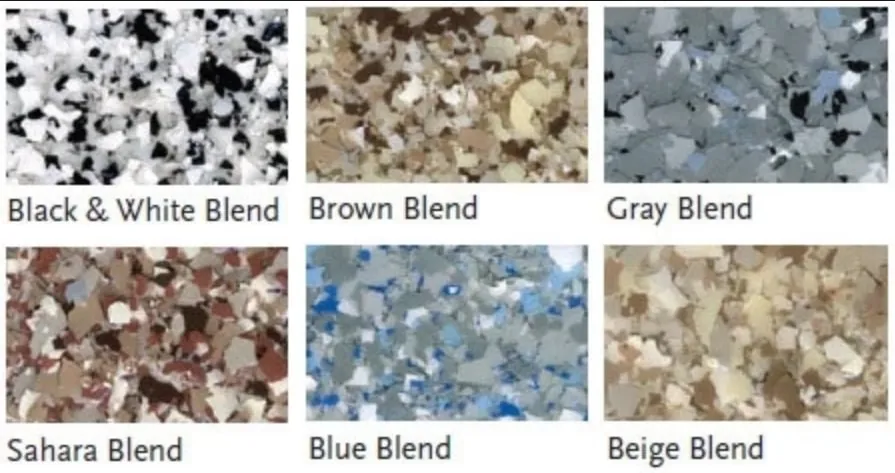
How Much Does Epoxy Flooring Cost in St. Petersburg? (2026 Guide)
Real 2026 St. Petersburg prices by finish plus a typical 2-car garage total.
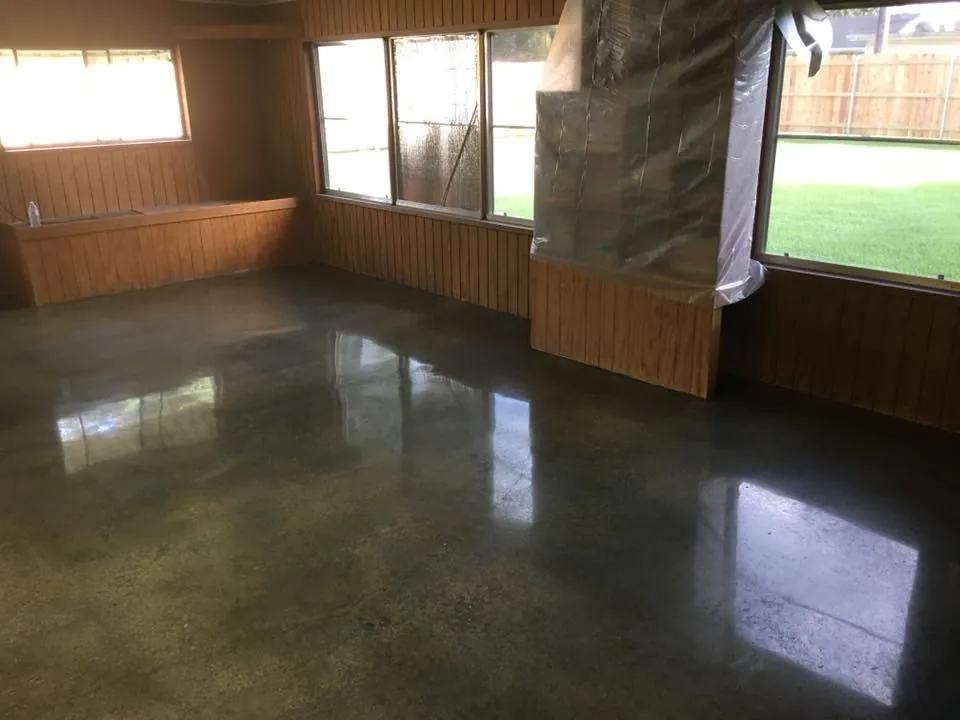
Why Epoxy Floors Fail in St. Petersburg — and the Moisture Test That Prevents It
The two ASTM moisture tests, and what to ask before you sign.
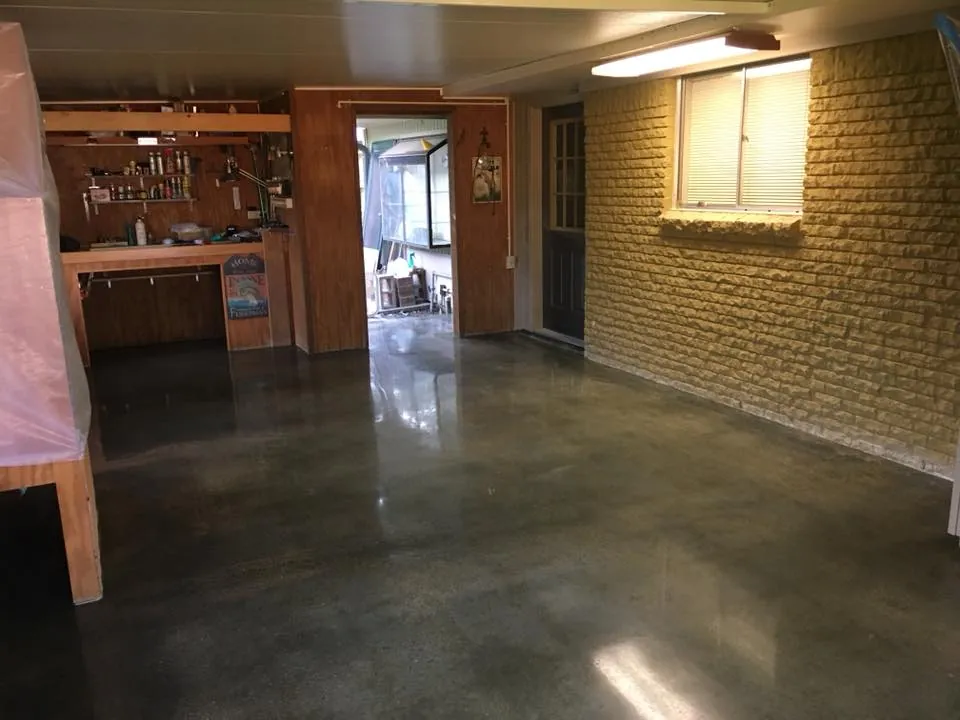
Epoxy Floor Maintenance in St. Petersburg
Keep your floor looking new with the right cleaning routine.